It’s a form of verbal irony, but not all verbal irony is sarcasm. Sarcasm has a biting, often humorous, edge to it. Here are a few examples to get you started: Someone spills coffee all over you. You say, “Oh, fantastic!” After failing a test, a student exclaims, “Well, that went perfectly.”
Sarcasm is a form of verbal irony that involves making a statement where the intended meaning is opposite to the literal meaning. It’s often used to mock or convey contempt, adding a sharp edge to communication.
Sarcasm can be difficult to grasp for some people. Though it usually has a humorous undertone, uncover some sarcasmexamples that might have a bit of a bite.
Sarcasm is a form of humor that can be difficult to understand if you’re not familiar with it. This short article will give you some examples of sarcasm so that you can start recognizing it when you see it or hear it.
Sarcasm is the use of words that express the opposite meaning, often used to show humor, criticism, or disbelief. When used effectively, it can transform dull conversations into amusing exchanges. In this piece, we’ll examine 30 instances of sarcasm that demonstrate how this clever speech technique adds flavor to our everyday interactions.
Sarcasm is a type of verbal irony that expresses contempt, mocks, or ridicules. E.g. ‘Nice job on the project,’ he said with heavy sarcasm after finding it half-finished.
Literature often showcases sarcasm, turning mundane dialogue into witty exchanges. Here are some notable examples that illustrate how authors use sarcasm to add depth and humor.
Sarcasm can be a hilarious and cutting tool. Used skillfully, it can bring lightness to conversations, deliver pointed observations, and create a sense of shared humor.
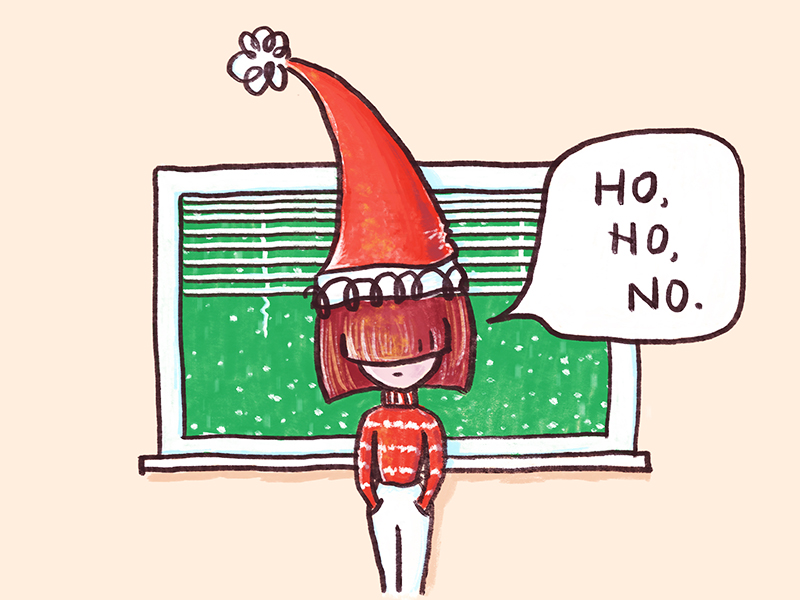 Sarcasm is a form of verbal irony that involves making a statement where the intended meaning is opposite to the literal meaning. It’s often used to mock or convey contempt, adding a sharp edge to communication.